
What is a Trigger?
In Module 2 we noted that there are several types of anxiety disorders, including generalized anxiety disorder, panic disorder, social anxiety disorder, and various phobia-related disorders that can be triggered by various events, etc.
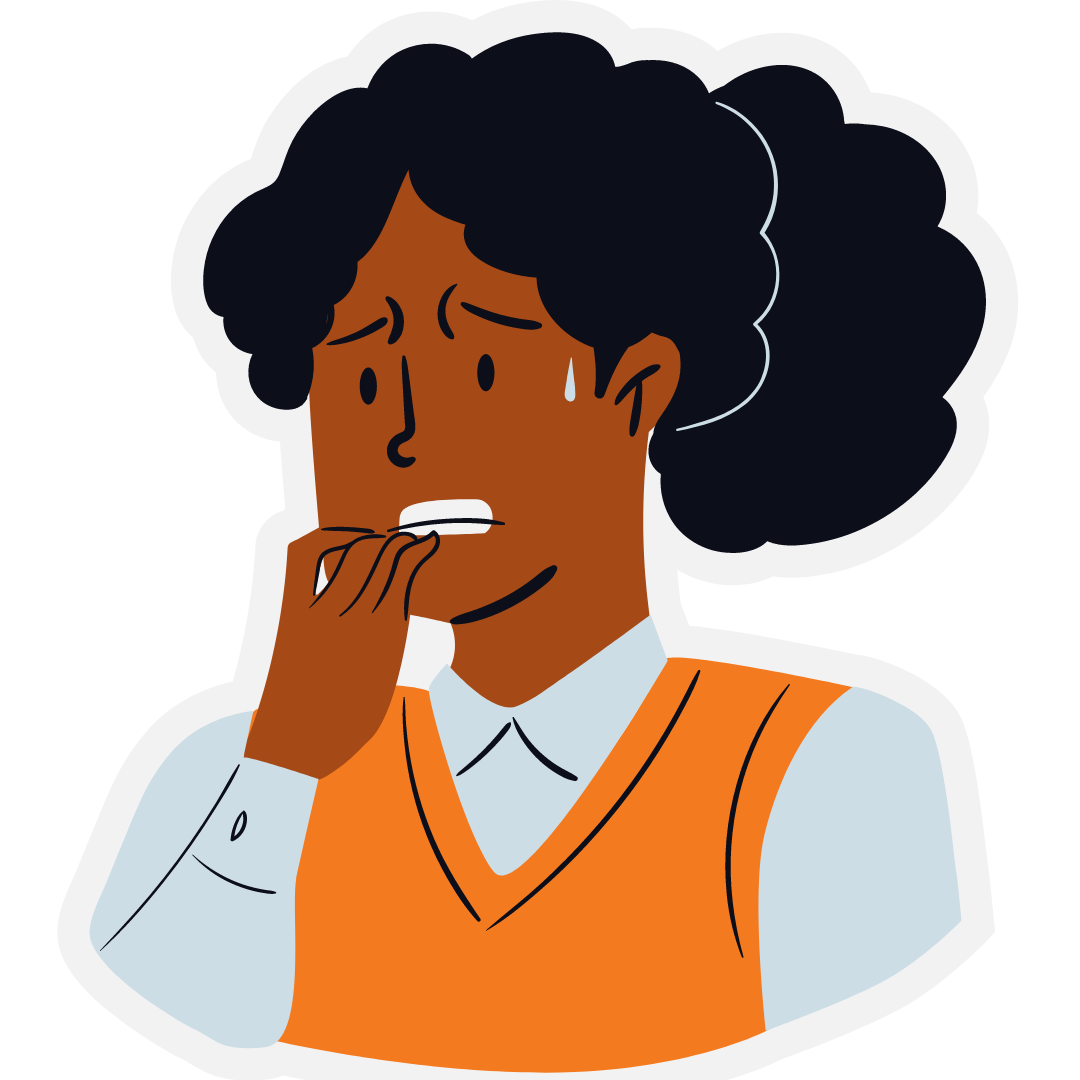
A trigger can be defined as situations, events, or behaviors that lead to feelings of worry and fear, causing a person’s anxiety. These triggers can cause a person to experience mild anxiety symptoms or may cause more severe symptoms, such as panic attacks.
Common Triggers for Anxiety
While everybody’s triggers will be different, there are some triggers that are more common than others.
Health Issues
Your body and mind are deeply connected, meaning that they each depend on each other to thrive. That means that physical health issues can cause a number of mental health issues, like anxiety.
Substance Use
Studies have found that substance use disorders and anxiety disorders tend to go hand in hand. Researchers have found that those experiencing a substance use disorder were more likely to also experience an anxiety disorder and vice versa.
Caffeine
While caffeine is a common substance of choice for those seeking the energy they need to get through the day, studies have suggested that those experiencing an anxiety disorder can find caffeine to be especially triggering.
Finances
Money is a subject that can trigger feelings of stress, worry, and anxiety for anybody. There are many reasons a person may struggle with financial anxiety, including a low budget, socioeconomic deprivation and the effects of racial discrimination, a lack of knowledge of handling finances, or past financial trauma.
Social Settings
Social settings can trigger many people experiencing anxiety, especially those with a social anxiety disorder. Triggering social settings can include trips to crowded places, meeting new people, dating, public speaking, and many other events.
A Lack of Sleep
Sleep plays a critical role in maintaining optimal mental health. When you are unable to get an optimal amount of high-quality sleep, whether you are struggling to fall asleep, stay asleep, or sleep well, your mental health will begin to take a hit.
Daily Stressors
You can probably think about at least one little piece of your day that leaves you feeling a little stressed. Maybe it’s the traffic jam you encounter on your drive home every day. Perhaps it’s that ridiculously long line you have to wait in to pick up your morning coffee. Those seemingly small, everyday stressors can begin to add up after a while, causing stress and anxiety to build up.
Work
Whether you have an important project coming up, are dealing with racism on the job, an overbearing boss, or have simply begun to feel burnt out, work can be a significant trigger for many people’s anxiety.
Insufficient Food Intake
Eating enough nutritious food is crucial to maintaining optimal mental health. When you don’t eat enough, your body will begin experiencing physical symptoms that resemble anxiety, like trembling. These physical symptoms can, at times, trigger a person’s anxiety.
The type of food a person eats can also impact anxiety levels. Research has suggested that unhealthy eating habits, like high-sugar, low-protein diets, can be associated with higher anxiety levels. This takes us back to population that’s affected by socioeconomic deprivation and food insecurity.
Conflict
When there is conflict in a person’s relationships, they may experience feelings of stress and anxiety. These conflicts can leave a person worried about their relationship’s future, triggering their anxiety.