
The Many Faces of Anxiety
Anxiety is not a one size fits all mental health issue. It can take on many different
shapes and forms depending on the individual’s personal experiences, symptoms, and
the specific type of anxiety they are dealing with.
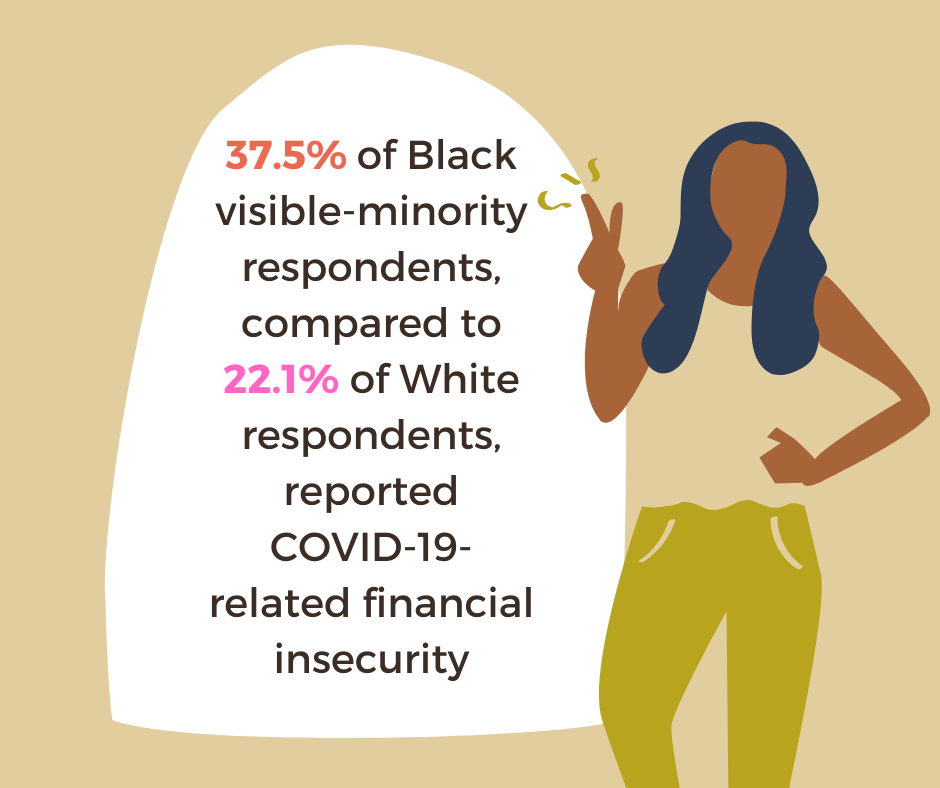
Some people may find themselves at a higher risk of experiencing anxiety than others. Researchers have found that anxiety risk factors can come from both nature and nurture. In other words, genetics and environment both play a significant role in determining a person’s likelihood of experiencing anxiety. For example 37.5% of Black visible-minority respondents, compared to 22.1% of White respondents, reported COVID-19-related financial insecurity.
There are five major anxiety disorder types:
- Generalized anxiety disorders (GAD)
- Obsessive-compulsive disorders (OCD)
- Panic disorders
- Post-traumatic stress disorder (PTSD)
- Social anxiety disorder
Anxiety being a mental health issue, it is important to consider the experience of the Black Canadians who face challenges that the majority does not. Black Canadians experience significant social and economic challenges that can have negative implications for their mental health. These challenges include experiences of interpersonal, institutional, and systemic anti-Black racism and discrimination which drive socioeconomic and other disadvantages, including barriers to educational attainment, higher levels of poverty and social exclusion, and disproportionate surveillance by and interactions with law enforcement, criminal justice, and child welfare systems; a lack of access to culturally appropriate and culturally competent services; and stigma related to mental health and to accessing support services.